A Safe and Thriving Community
San José State University is committed to fostering a safe, secure and welcoming environment for all students, faculty, staff and visitors. Get all the latest information here on how we keep SJSU safe for all.
How We Respond to Safety Situations
Our students deserve a safe and secure learning environment. That's why we are committed to creating a professional, progressive and superior police force, as well as providing emergency, transportation and educational services in alliance with the campus community. Report any issues to (408) 924-2222 or by calling 9-1-1.
Get the most current information on matters that affect health, life and safety at any SJSU site or the area around campus.
Title IX and Equal Opportunity
Report a harassment incident based on protected class discrimination and get support and access to resources.
Find out how SJSU will contact you in case of emergencies, how to update your contact information and where to get news updates.
The university remains committed to transparency, shared governance and institutional excellence. This page houses all documentation and official university responses to key issues and is managed by the strategic communications unit of University Marketing and Communications.
The Department of Emergency Management supports safety with programs in emergency planning, training, response, mitigation and recovery.
University Policies
Freedom of Expression and Time, Place and Manner Policy
As of August 16, 2024, the California State University's Interim Free Expression and Time, Place and Manner policy is in effect for students and non-represented employees.
The Office of Student Conduct and Ethical Development uses a fair, consistent process to investigate violations of the student conduct code or academic integrity policies at SJSU.
Any responsible employee who receives information about an incident(s) that may constitute a violation of the Nondiscrimination Policy is required to share all known information about the incident(s) with the Office for Title IX and Equal Opportunity. Responsible employees are required to report all known information about the incident(s) – including the names of the Parties involved – even when the person has requested anonymity.
Holistic Student Support
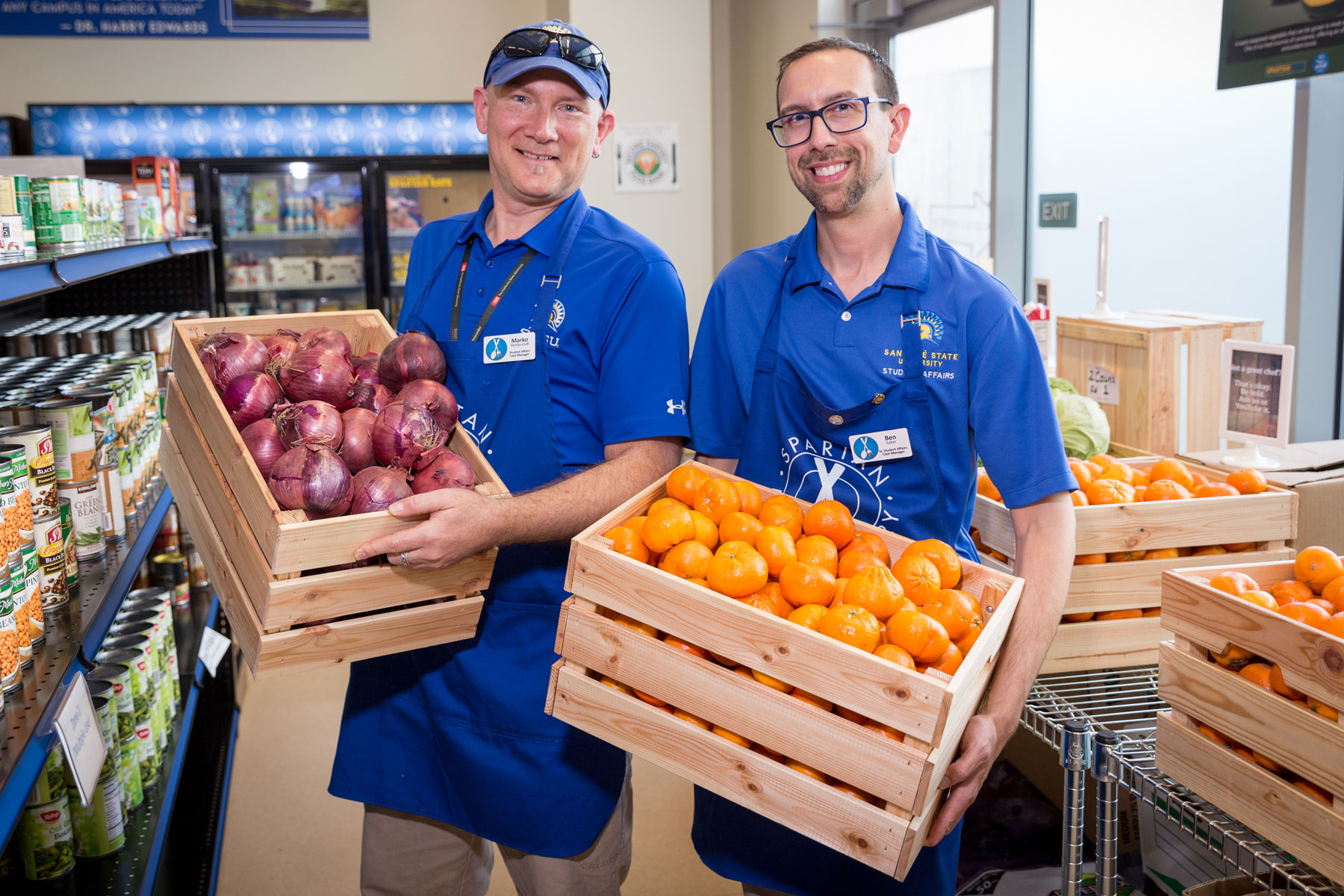
Spartans take care of Spartans. At SJSU, help is available to students in need of basic needs assistance from food, housing, finances, medical care and more.
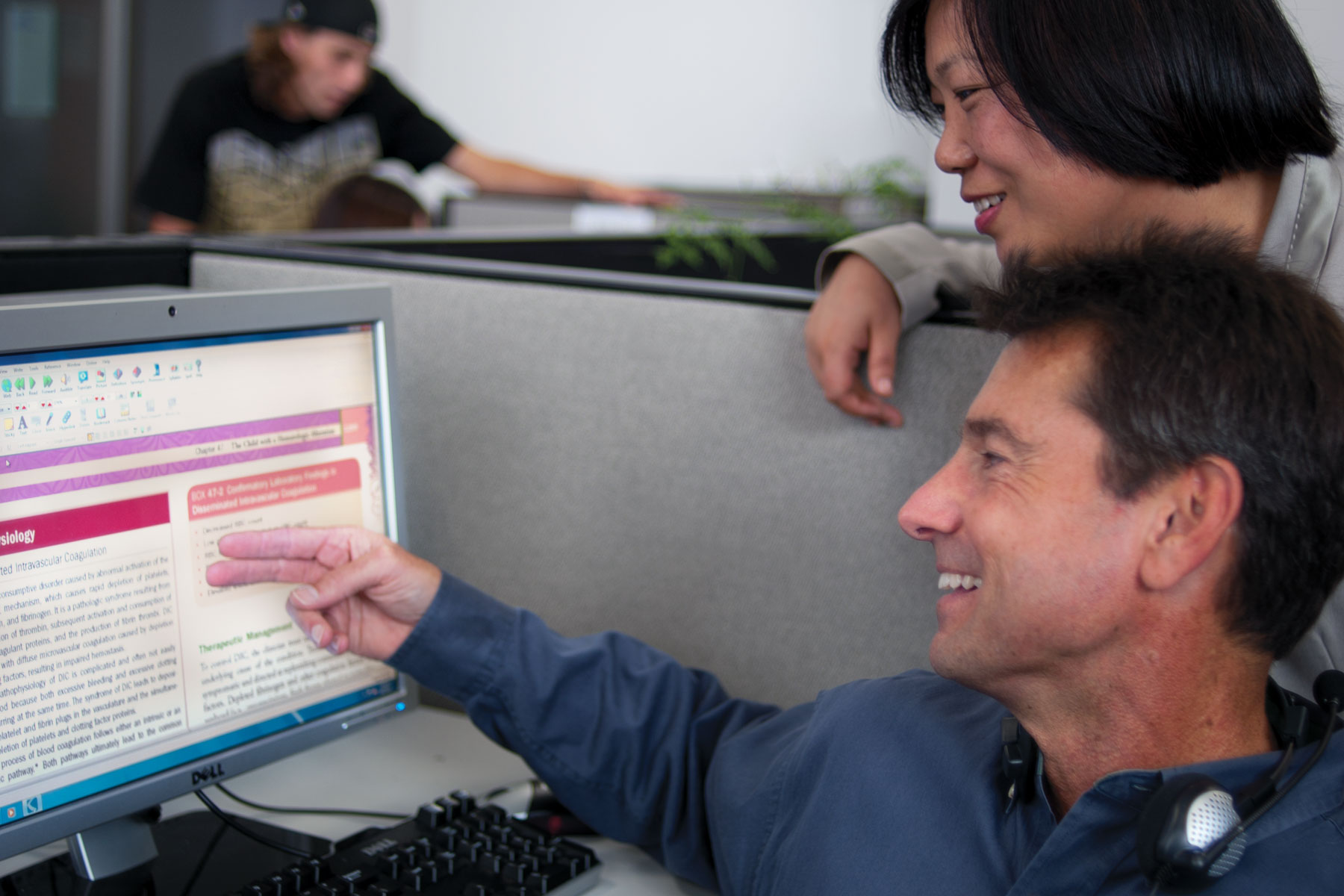
The Accessible Education Center is the authoritative entity at SJSU that provides comprehensive services in support of the educational development and success of students with disabilities and guidance for faculty and staff.

Well-being @ SJSU is a hub of resources and experiences to inspire and empower you to grow your well-being. Join us each month as we spotlight a new dimension of wellness to support your journey for a healthier you.

Immigration Resources and Guidance
We are committed to cultivating a welcoming and supportive educational environment enriched by the diversity of our students, faculty, and staff. As a globally engaged institution, we recognize the importance of providing resources and guidance related to immigration policies.