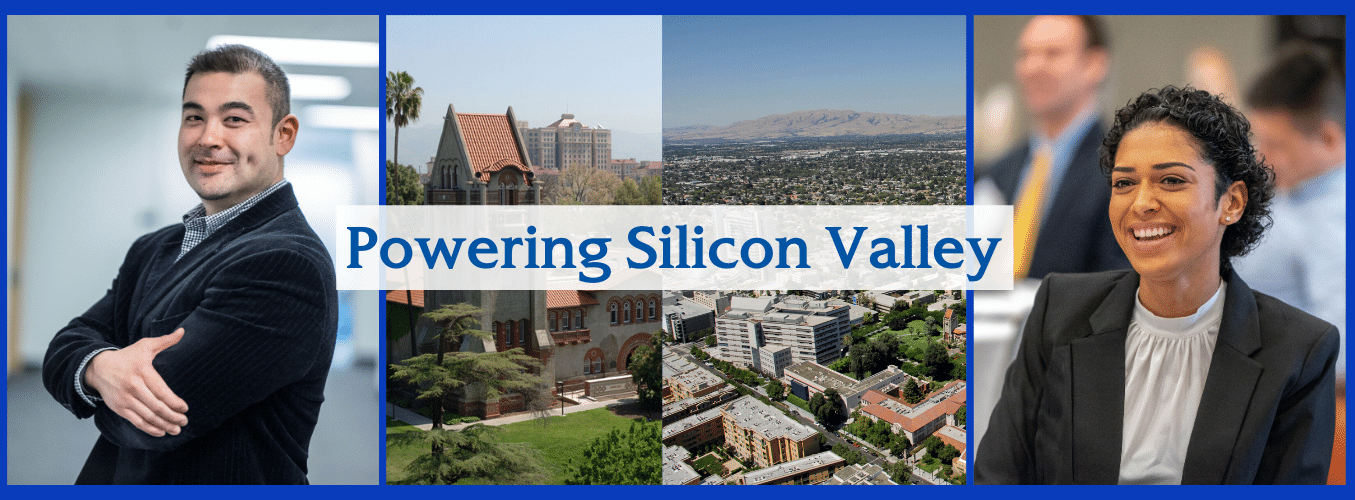
Ready to take your career to the next level? Preparing for a promotion? Seeking a new career change?
You will find everything you need at the Lucas Graduate School of Business. This is the place to expand your knowledge, skills, connections and aspirations, right here in Silicon Valley. And we will fit your schedule. Our daytime, evening and online courses are flexible enough to meet the demands of full-time working professionals, full-time students and everyone in between. San Jose State University is based in San Jose, California. We are right in the middle of all the action, tightly connected with Silicon Valley’s powerful network of pioneers, innovators and leaders. They are looking for people just like you. And so are we. We bring Silicon Valley to the classroom so you can bring it to the business world.

We provide the best of all worlds: a cutting-edge, world-class MBA that offers convenience and flexibility all at an affordable price.
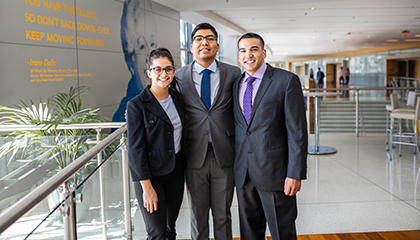
If you plan to become a CPA and want to live and work as a professional accountant in Silicon Valley, you will not find a better MS in Accounting and Analytics program than ours.

Spartan Accelerated Graduate Education (SAGE) programs enable BSBA Accounting and Finance students to complete requirements for both the baccalaureate and master’s degrees at the same time.

With our Master of Science in Financial Analytics, you will partake in a rewarding, in-demand career while helping organizations achieve their financial goals.
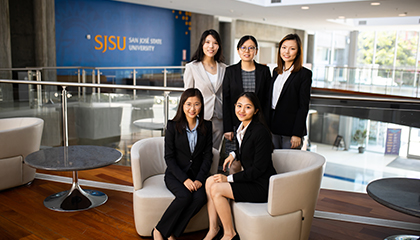
Applications for admission to the MST program are not currently being accepted for the Academic Year 2025 – 2026. Please consider our 9-unit Tax Practice Certificate.
With support from the Mineta Transportation Institute, we offer both a Master of Science degree and three graduate certificate programs.
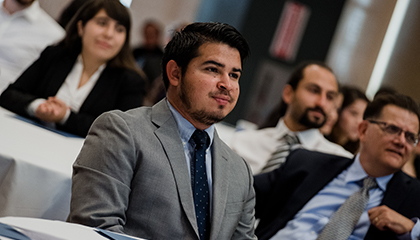
Fill skill gaps or gain a competitive edge in your career. Our certificate programs can provide the knowledge and hands-on training you need.
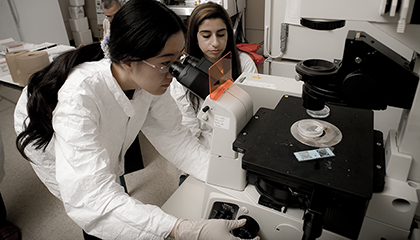
We offer many unique degree partnerships including but not limited to MBA-MS Software Engineering and Master of Biotechnology.
Upcoming Events
Recent LGSB News

Ranked Among Top Online MBA Programs for Second Consecutive Year
The Lucas College and Graduate School of Business’ MBA program has earned national recognition by Poets&Quants as one of the top 50 online MBA rankings in the United States.
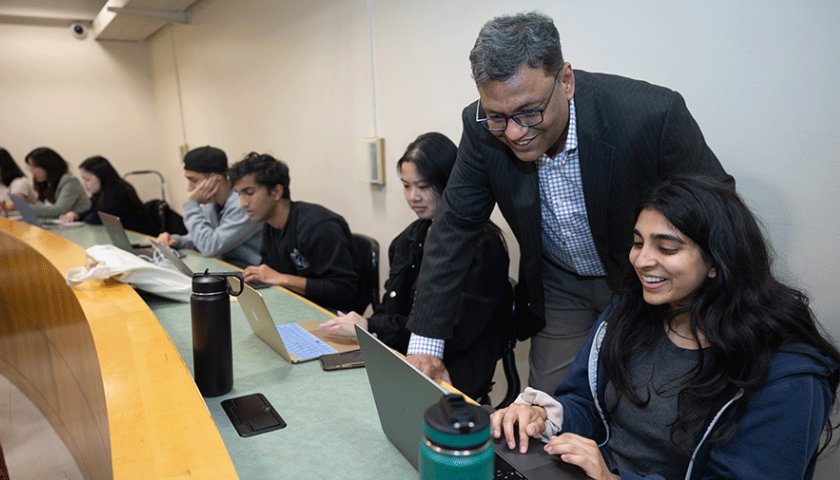
Taking Care of (AI in) Business
Artificial Intelligence (AI) has captivated numerous individuals in the business world, such as Professor Nitin Aggarwal, who brings practical AI expertise into the classroom.
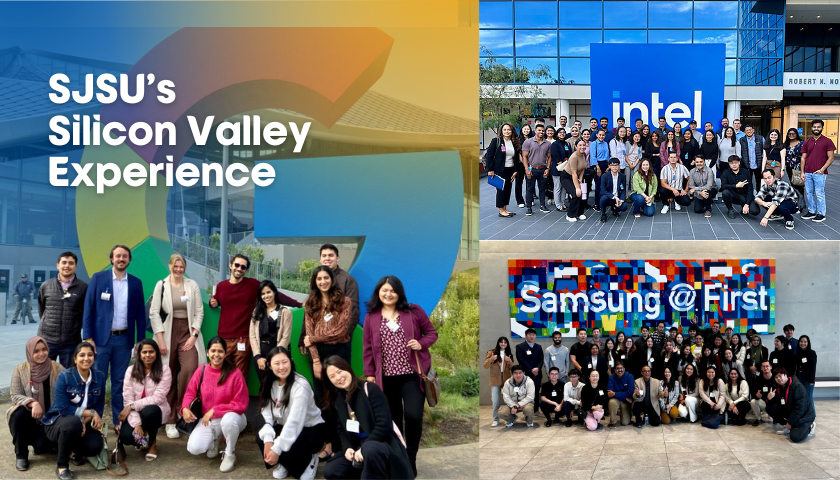
Why SJSU’s MBA Program With The Silicon Valley Experience Is The Ultimate Career Boost
Using a multifaceted approach, the Silicon Valley Experience elevates beyond four classroom walls and extends beyond one brief semester.