MFA Program Summary
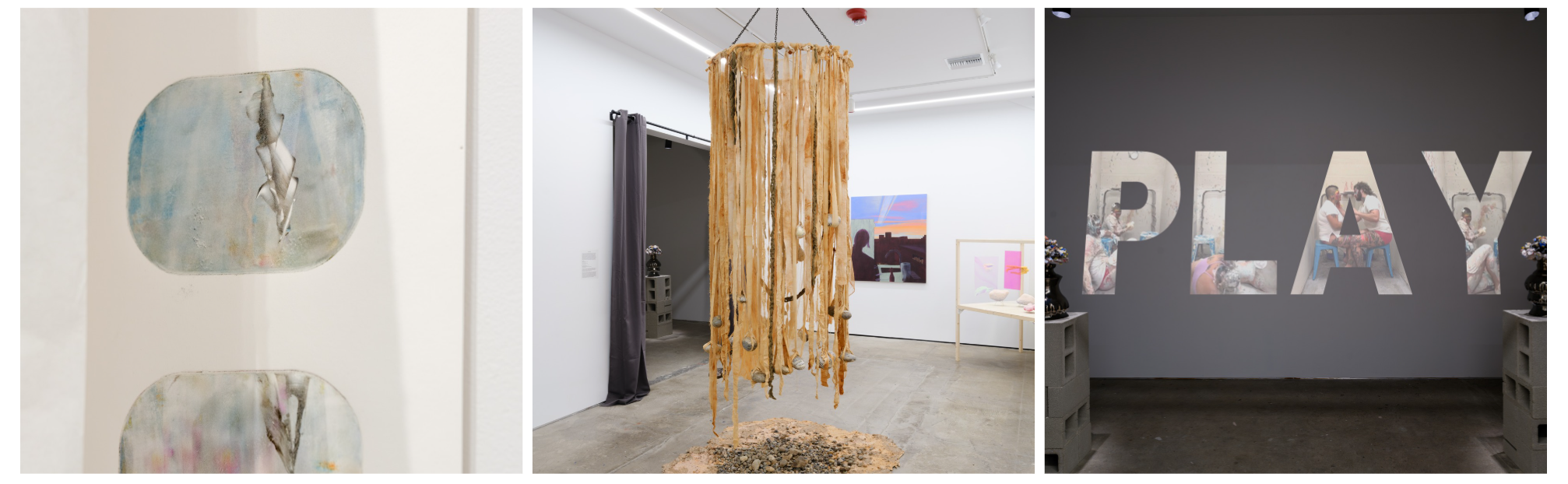
SJSU Offers MFA Degrees with focus in Digital Media Art, Photography, Pictorial Art, and Spatial Art
The MFA in Art at San José State University is a 60-unit, three-year studio program for artists seeking time, space, mentorship, and access to exceptional facilities as they develop a mature body of work.
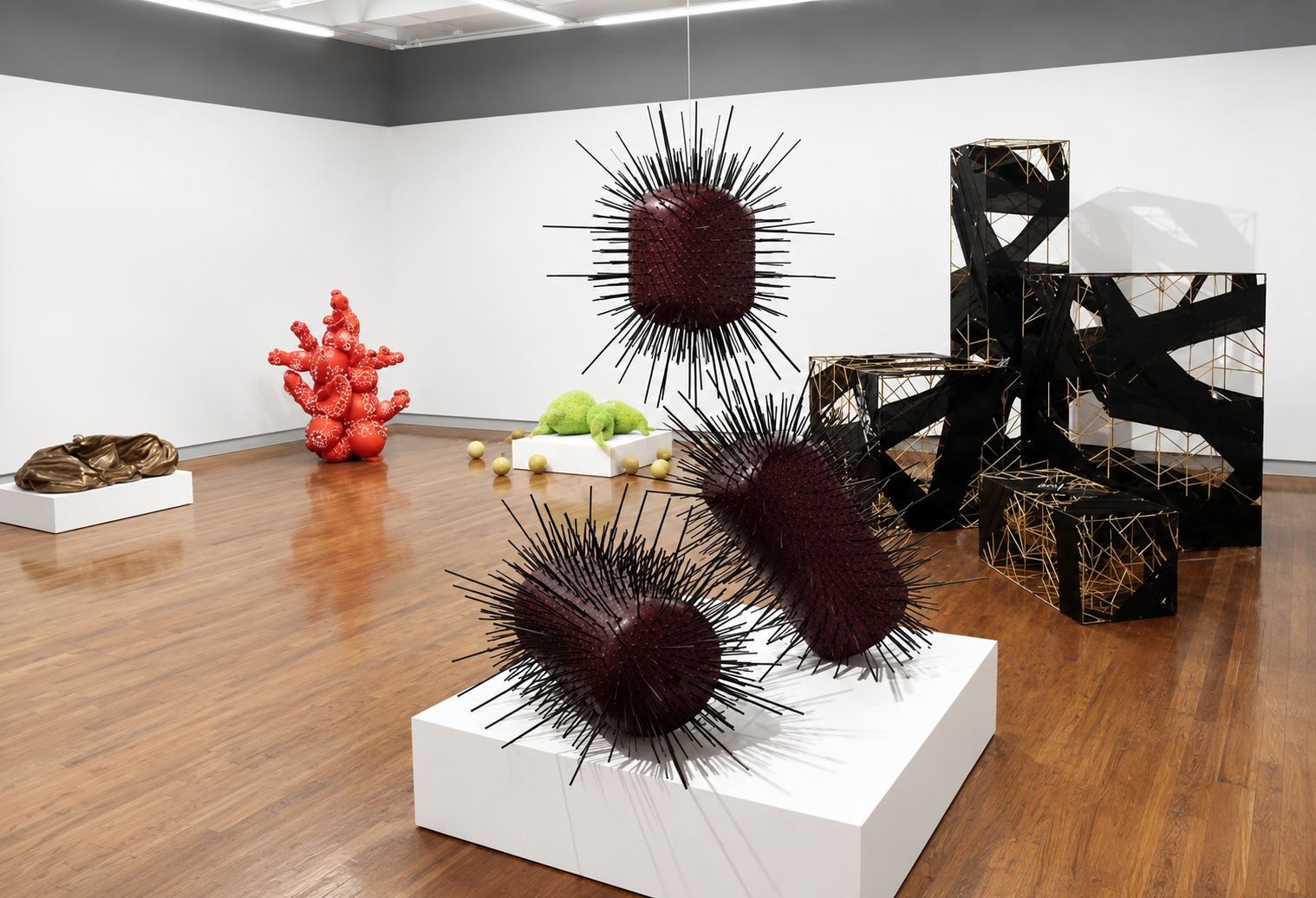
Program Highlights
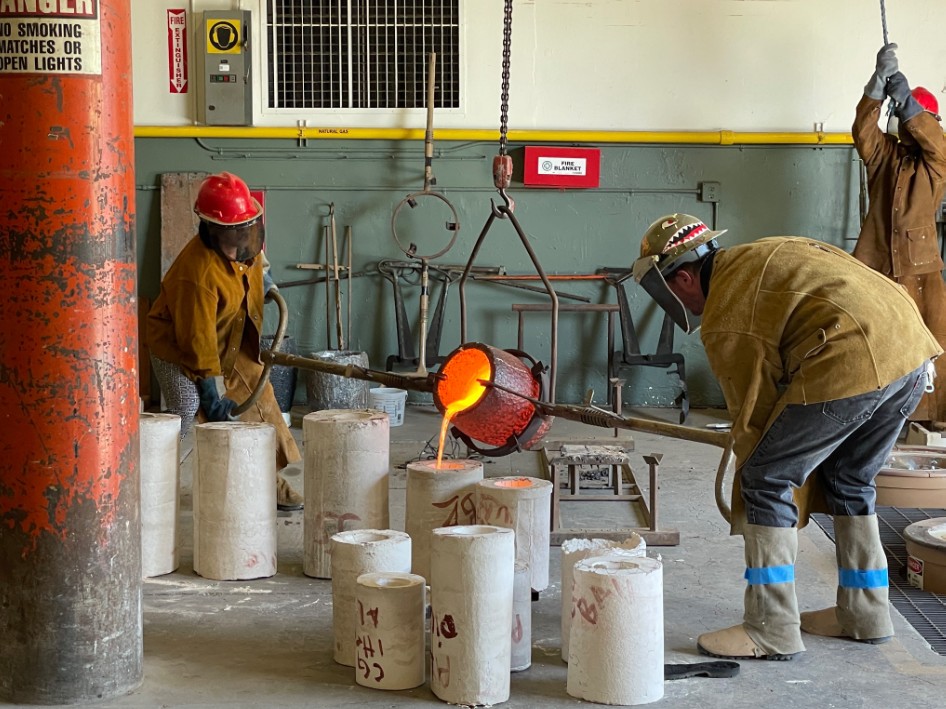
Facilities for ambitious making
SJSU offers unusual breadth for a public university MFA program. Graduate students have access to facilities supporting ceramics, glass, metal foundry, sculpture, wood fabrication, jewelry and metals, printmaking, photography, digital imaging, video, VR, CNC fabrication, and interdisciplinary production.
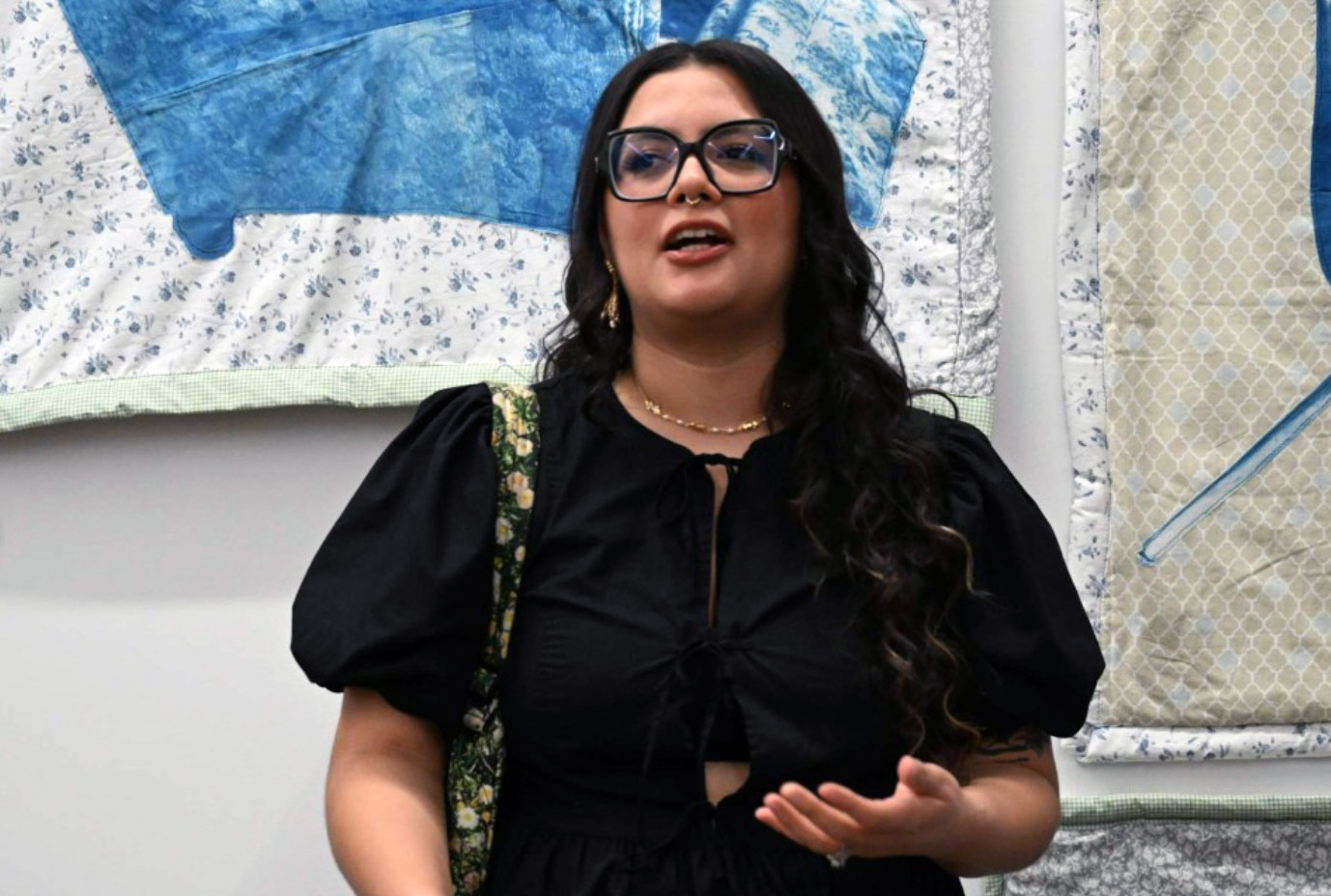
Studio space and time
MFA students receive graduate studio access guaranteed for up to five semesters. These studios and shared workspaces support focused independent research, peer exchange, and sustained development of a thesis-level body of work.
Areas of Concentration
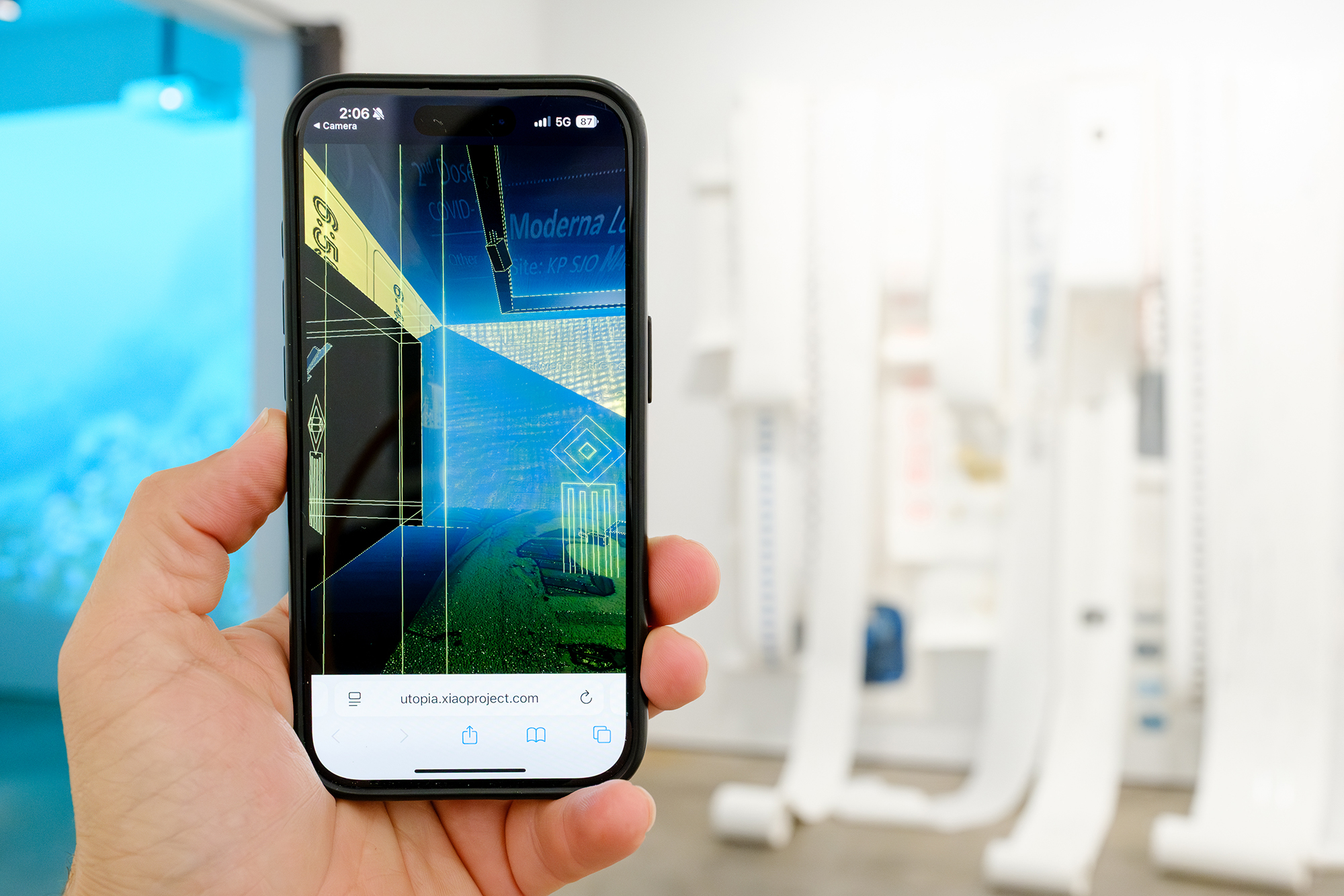
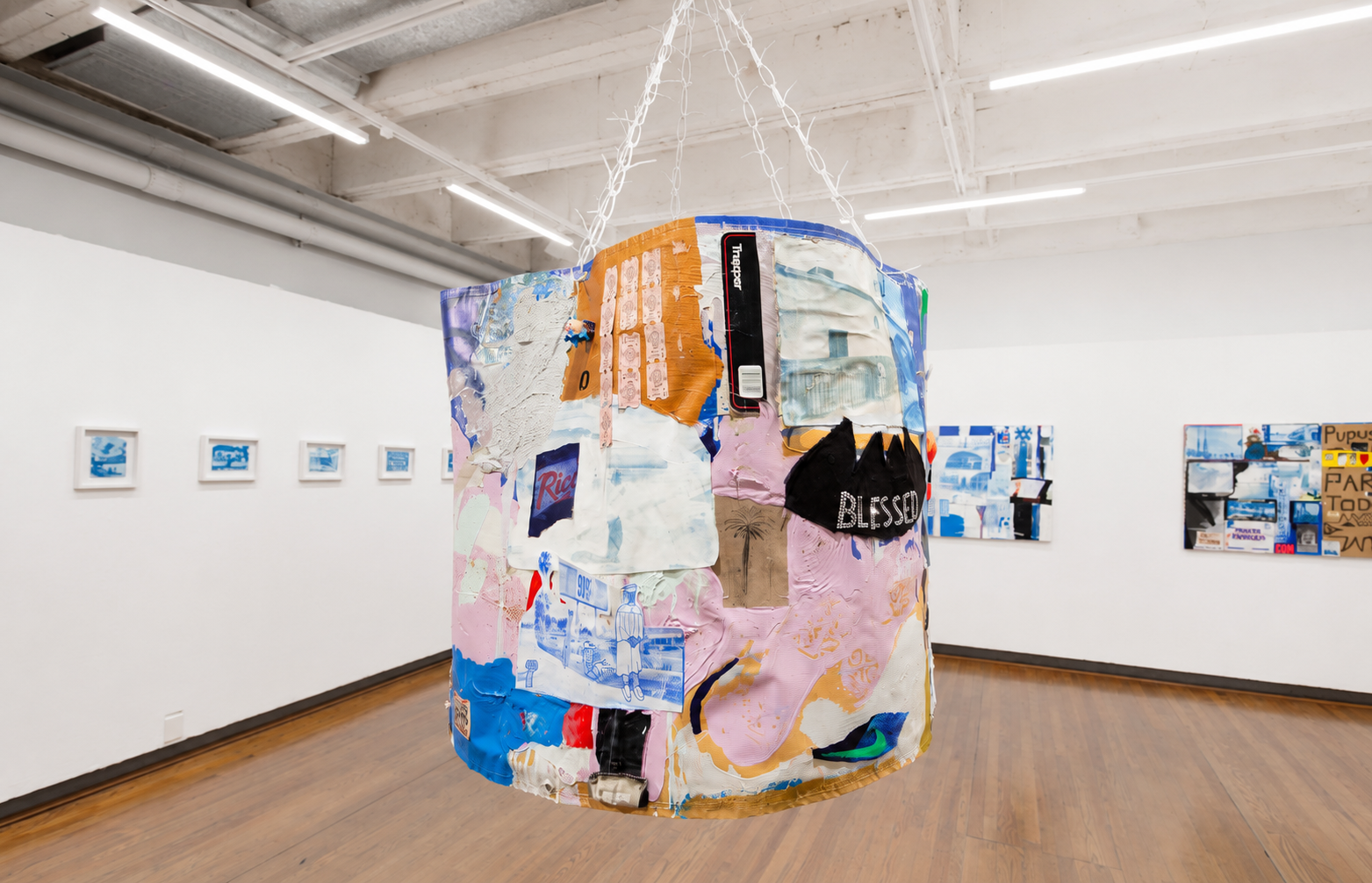
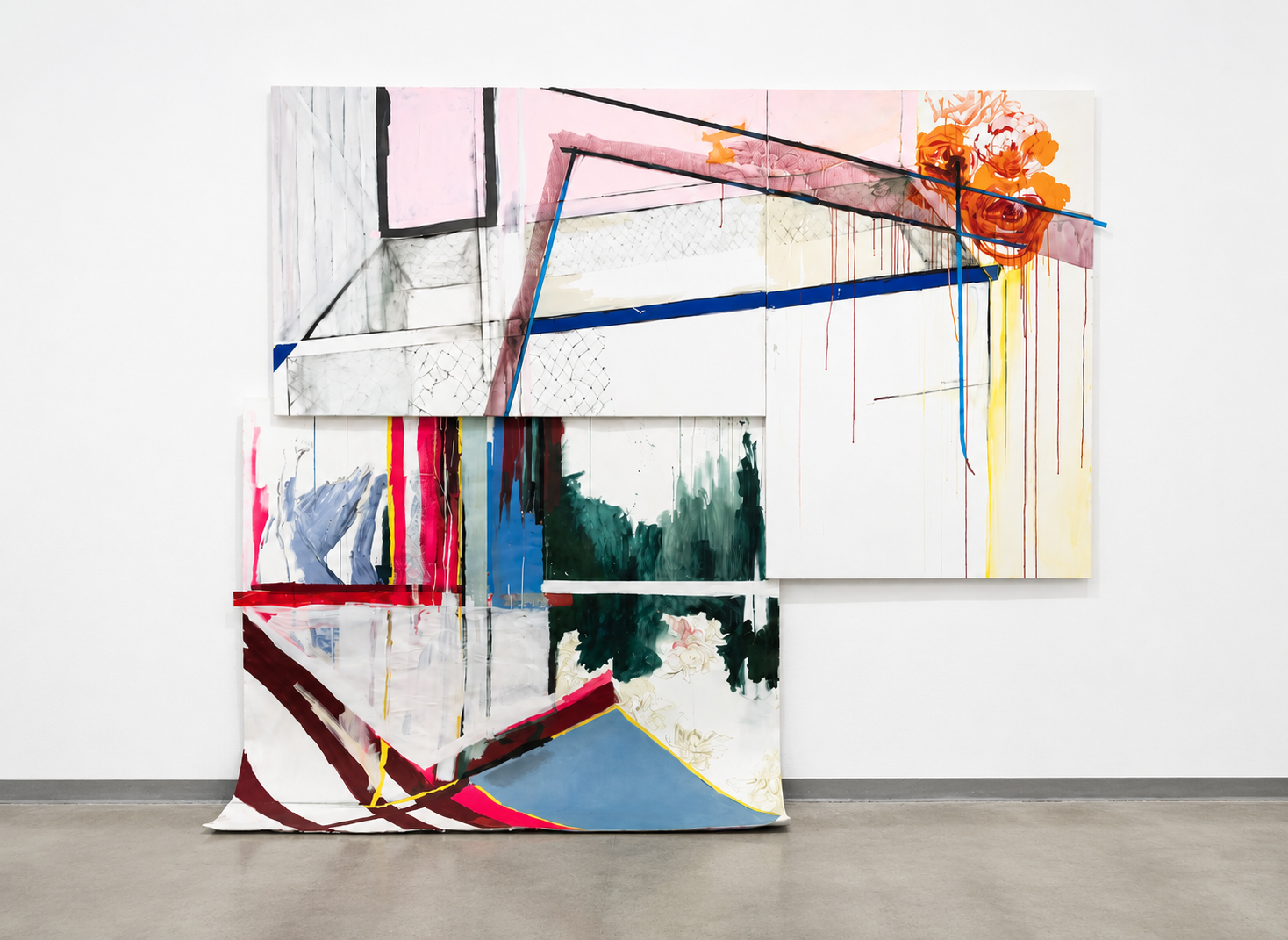
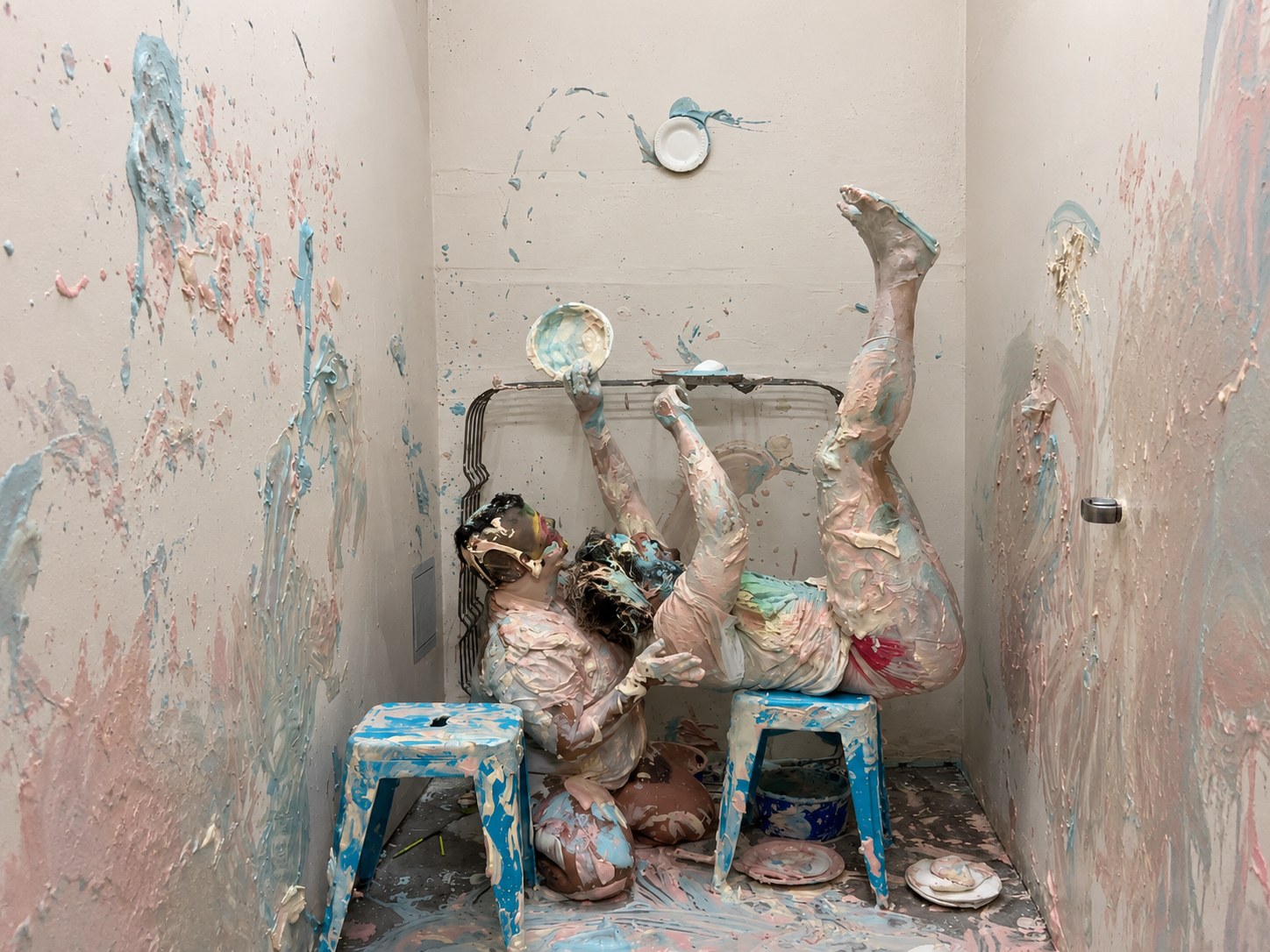

Exhibitions, critique, and community
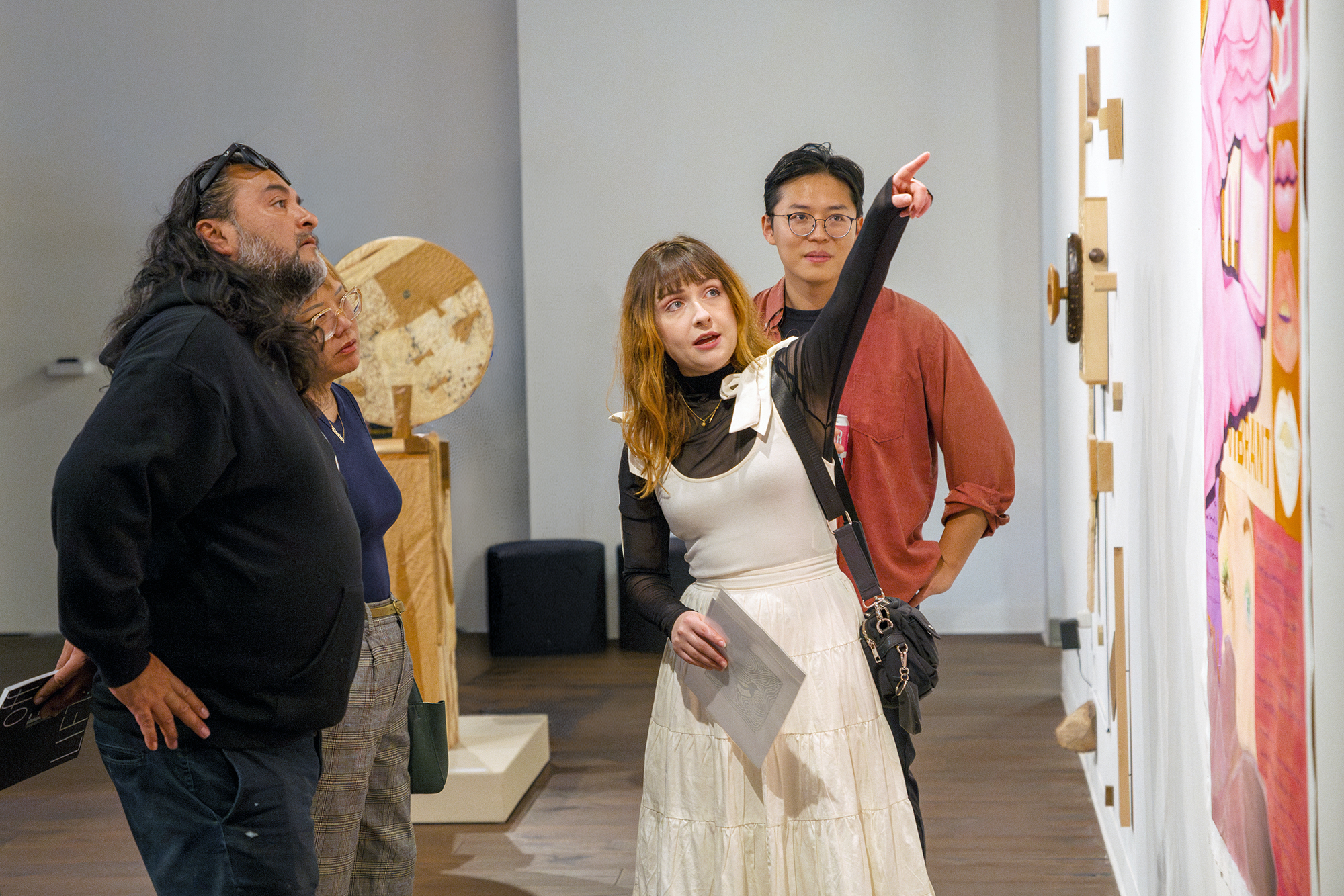
Graduate students complete two required exhibitions during the program and may pursue additional opportunities through student galleries, department events, and regional arts partnerships. Critiques, public presentations, visiting artist events, lectures, and gallery openings help students situate their work within contemporary art conversations.
Who should apply?
The SJSU MFA is designed for artists ready to deepen their practice, expand their technical and conceptual range, and join a rigorous graduate community. Strong applicants typically demonstrate a serious commitment to creative research, a developing body of work, readiness for critique, and interest in the resources available at SJSU.
SJSU typically admits 10-15 applicants each year to an MFA program of approximately 30-45 students. This scale gives graduate students a strong peer cohort, a broad creative community, and opportunities for interdisciplinary exchange, while still supporting individualized faculty mentorship, private studio space, and access to extensive facilities.
Applicants do not need to fit neatly within one medium. Many MFA students work across disciplines, combine analog and digital processes, or use the program to expand their practice in new directions.